
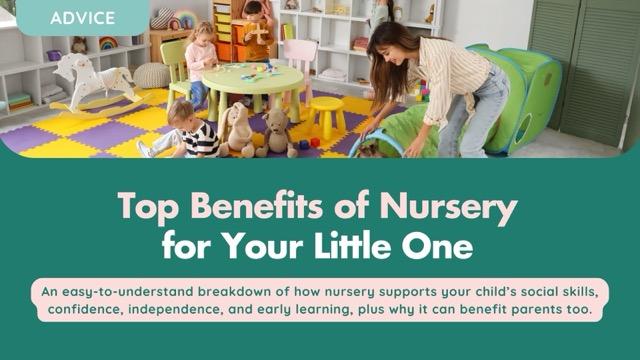
If you're thinking about nursery, you might be wondering what your child will actually get out of it, and if it’s really worth it.
If you're thinking about nursery, you might be wondering what your child will actually get out of it, and if it’s really worth it.
Beyond the practical benefit of childcare while you work, there's actually so much more. A quality nursery isn't just a place to drop your child off. It's a space where they develop crucial skills, build confidence, and lay the foundations for lifelong learning. This is actually the reason Nuuri was started in the first place; because the benefits of nursery should be easy to find and take advantage of for everyone.
Let's walk through the real, meaningful benefits of nursery that go beyond just keeping your little one safe and entertained.
Social Skills and Making Friends
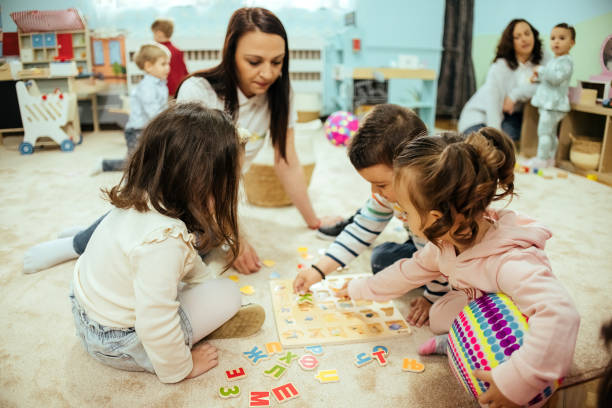
One of the biggest benefits of nursery is that it gives your child the chance to interact with other children regularly. For many kids, this is their first real experience of being around a group of peers.
At nursery, children learn to share toys, take turns, listen to others, and play together. They're learning how to navigate friendships, resolve small conflicts, and cooperate with others. These are skills they'll use for the rest of their lives. The nursery environment gives them a safe space to practice these skills with trained adults on hand to guide them.
What's really interesting is that children learn so much from each other too. They copy each other, help each other, and learn from watching their peers. This peer learning is just as valuable as learning from the adults in the room.
Language and Communication Development
Being surrounded by other children and adults creates an immersive language environment. Your child hears lots of different voices, conversations, and ways of speaking. They're encouraged to express themselves, ask questions, and communicate their feelings.
This constant exposure to language helps them develop their vocabulary incredibly quickly. They learn new words, understand how to use them in context, and start to grasp how communication works. For children who might be a bit quieter at home, nursery can be a real catalyst for language development.
Research shows that children who attend quality nurseries often have stronger language skills when they start school, also tied in to play-based learning, including activities like sensory and messy play. This gives them a real head start with reading and writing.
Building Confidence and Independence
Being away from you for the first time can be daunting for your child, but it's also incredibly good for them. As they spend time at nursery and realise that you always come back to pick them up, they start to feel more secure and confident. As long as you deal with nursery separation anxiety well enough, it should pass in due course.
They learn that they can do things without you. They can put on their own coat, wash their hands, choose an activity, and manage their feelings. These small wins add up to real confidence. Your child starts to develop their own personality, their own ideas, and their own way of doing things.
This independence is crucial for preparing them for school and for life beyond. Children who've had the chance to build confidence and independence in a nurturing nursery setting tend to settle into school much more easily.
%20Medium.jpeg)
Learning New Skills Every Day
Nurseries are packed with activities, resources, and experiences designed to help children learn and develop. Your child will be learning academically (numbers, letters, colours), physically (climbing, running, fine motor skills), emotionally (managing feelings, empathy), and socially (as we've already mentioned).
They'll learn practical life skills too. How to hold a pencil, how to help tidy up, how to wash their hands before eating. These everyday skills are the building blocks of independence and self-care.
The beauty of nursery is that all this learning happens through play. Your child isn't sitting at a desk doing worksheets. They're learning through exploration, discovery, and having fun.
Routine and Structure
Children thrive with routine. It makes them feel safe and secure because they know what to expect. Nurseries provide a structured day with set mealtimes, activity times, outdoor play, and nap times.
This routine helps your child feel more in control and confident. They start to understand what happens when, and they can participate more actively in tasks because they know what's coming next. Before lunch, they wash their hands. Before home time, they help tidy up.
This structure is also brilliant preparation for school, where routine is even more important. Children who've experienced a structured nursery day tend to adapt to school routines much more easily.
Physical Development and Health
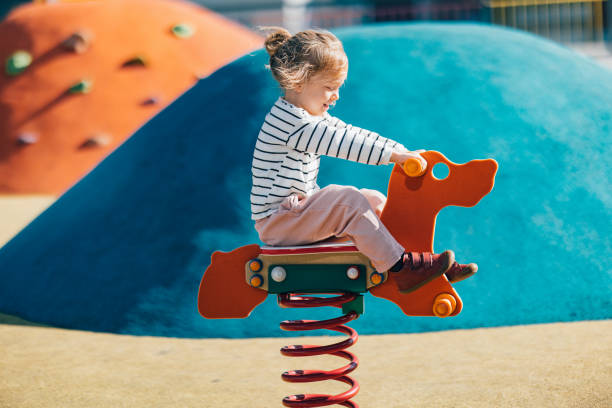
Nurseries encourage physical activity and outdoor play. Your child will be running, climbing, playing with balls, and exploring the outdoor space. This is brilliant for their physical development, helping them build strength, coordination, and balance.
Being outdoors in fresh air and getting daily exercise is also great for their overall health and wellbeing. Plus, being around other children and exposed to common infections actually helps build their immunity. It might sound counterintuitive, but children who attend nursery often get ill more frequently at first, but many then experience fewer minor illnesses once they start school (since they’ve built up immunity).
School Readiness
Many of the skills and experiences your child gains at nursery directly prepare them for school. They're used to being in a group, following routines, listening to adults, and participating in structured activities. They've already experienced being away from you for extended periods.
When they start school, they're not dealing with all of these things for the first time. They've already got the foundations in place. Schools often comment that children who've attended quality nurseries settle into school much more smoothly and confidently.
Building a Foundation for Lifelong Learning
Beyond all the specific skills and experiences, nursery helps build something deeper: a positive attitude towards learning. Children who've had positive experiences at nursery tend to be curious, confident, and eager to try new things. They've learned that learning is fun, that it's okay to make mistakes, and that they're capable of doing things they haven't done before.
This foundation of confidence and curiosity is invaluable. It sets them up to be lifelong learners who approach new challenges with enthusiasm rather than fear.
%20Medium.jpeg)
Benefits of Nursery for Parents
It's not just your child who benefits from nursery. There are real benefits for you too.
Me-time and self-care
Looking after a young child is full-on. Even just a few hours a week at nursery gives you time to yourself. Time to do the things you need to do, or just time to be yourself for a bit. This matters more than you might think. You can't pour from an empty cup, and taking time for yourself makes you a better parent.
Work-life balance
If you're returning to work, nursery makes it possible to do so while knowing your child is in a safe, stimulating environment. This can help you focus on work without the constant worry about what your child is doing.
Quality time together
Ironically, spending some time apart can actually improve your time together. When your child is at nursery, they're busy, engaged, and learning. When you pick them up, you can relax and just enjoy being together, rather than trying to constantly entertain them or manage their behaviour.
Less pressure
You don't have to be an entertainer, educator, and playmate all day long. Nursery takes some of that pressure off. You can enjoy your child more when you're not responsible for keeping them entertained and stimulated every single moment.
%20Medium.jpeg)
Regional Variations in the UK
The benefits of nursery are universal, but it's worth knowing that there are some differences in how nurseries operate across the UK.
England
In England, all nurseries must follow the Early Years Foundation Stage (EYFS) curriculum. This means they're working towards specific developmental goals across seven areas of learning. Nurseries are inspected by Ofsted, and you can check their ratings and reports online. All three to four-year-olds are entitled to 15 hours of free early education per week, and eligible families can get 30 hours.
Scotland
In Scotland, nurseries follow the Curriculum for Excellence. The focus is slightly different from England, with more emphasis on play-based learning and holistic development. Nurseries are inspected by Education Scotland. All three to four-year-olds are entitled to 1,140 hours of free early learning and childcare per year (roughly 30 hours per week).
Wales
In Wales, nurseries follow the Foundation Phase curriculum, which is play-based and focuses on children's wellbeing and development. Nurseries are inspected by Estyn. All three- and four-year-olds may be eligible for up to 30 hours per week of funded early education and childcare through the Childcare Offer for Wales, depending on family circumstances.
Regardless of where you are in the UK, the core benefits of nursery remain the same: social development, language development, confidence building, and school readiness.
Finding a Quality Nursery
The benefits of nursery really depend on the quality of the setting. A high-quality nursery with trained, engaged staff, a good curriculum, and a warm, stimulating environment will offer all the benefits we've talked about, while a poor-quality nursery might not.
That's why it's so important to choose carefully. Visit nurseries, ask the right question, read Ofsted and Care Inspectorate reports, and check reviews from other parents. At Nuuri, we help you find quality nurseries in your area, with detailed information about each one, official ratings, and reviews from parents who've used them. This makes it much easier to find a nursery that will genuinely benefit your child.
The Bottom Line
The benefits of nursery go way beyond just providing childcare. A quality nursery supports your child's development across every area: social, emotional, physical, and cognitive. It builds confidence, independence, and a love of learning. It prepares them for school and for life.
And for you, it provides support, gives you time for yourself, and helps you create a better work-life balance.
Ready to explore nurseries in your area? Use Nuuri to find quality nurseries, read parent reviews, and discover what each one offers.
Frequently Asked Questions
Children can benefit from nursery from as young as a few weeks old, though most parents start their children between six months and three years. Even very young babies benefit from the stimulating environment and interaction with trained caregivers. However, the specific benefits will vary depending on your child's age and developmental stage.
Children do tend to pick up more colds and minor illnesses when they first start nursery because they're exposed to more germs. However, this actually helps build their immunity. Once they start school, they often get ill less frequently because their immune system has already encountered these bugs.
The settling-in period varies from child to child. Some children settle within a few days, while others take a few weeks. A good nursery will work at your child's pace and gradually increase the time you leave them. Most children settle much faster than their parents expect.
Many nurseries are experienced in supporting children with additional needs. Some specialise in this. If your child has additional needs, it's worth discussing this with nurseries when you visit. They can tell you about their experience and what support they can offer. At Nuuri, you can search for nurseries with specific experience in supporting children with additional needs.
Look for an Ofsted rating of Good or Outstanding, trained and experienced staff, a clear curriculum, a good staff-to-child ratio, a warm and stimulating environment, and positive reviews from other parents. Visit the nursery, observe how staff interact with children, and trust your instincts. Nuuri can help you find high-quality nurseries in your area with all this information at your fingertips.